This is your place to find ideas, resources, and tips designed for people who want to contribute to sustainability, without stress and without magic formulas.
At RePilcha, we believe that change is built in community, with questions and creativity. That’s why we’ve put together this kit to inspire you and help you discover tools that will help you take steps toward more conscious and circular fashion.
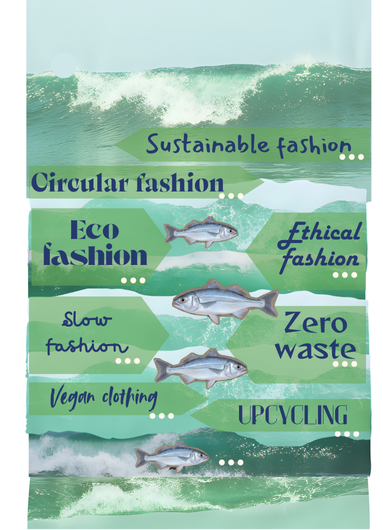
We know that it’s not always easy to understand everything that’s said about fashion and sustainability. That’s why we’ve created this simple and straightforward glossary, designed to provide explanations and practical examples. Not sure what “upcycling” means or why everyone’s talking about “circularity”? Don’t worry, we explain it all here.
A Artisanal/Handmade: Traditional manual techniques or crafts.
This does not automatically equate to sustainable: it depends on materials and working conditions. See also: Ethical fashion.
B Biodegradable: Decomposes by living organisms under specific conditions.
This does not mean that it “disappears” anywhere.
Biomaterials: Bio-based materials (mycelium, agricultural waste, pineapple peel, algae).
C Circular fashion: Designing and managing for reuse, repair, recycling, or rental, maintaining the value of the garment for as long as possible.
Fair trade: Ensures fair prices and working conditions for producers. See also: Ethical fashion.
Compostable: Can be converted into compost under controlled conditions (domestic or industrial). Must indicate where.
Responsible consumption: Buy less and use what you already have more. Based on care, repair, and exchange.
D Design for disassembly: Make it easy to separate parts and materials at the end of their life (fewer mixtures, simple joints).
Durability: Ability to withstand use and repair. The most sustainable garment is usually the one you wear the most.
E
Eco fashion / Ecological / Eco-friendly / Green clothing: “Green” terms for less toxic materials or processes.
These can often be ambiguous, so they require concrete evidence.
Eco-design: Integrating environmental criteria from the design stage (materials, processes, end of life).
Environmental labeling: Technical information (percentages, care, origin). Must be clear and verifiable.
F Fast fashion: Rapid, mass production and consumption at low prices, with high turnover and overstocking. Counterpart: Slow fashion.
G Greenwashing: Marketing that appears green but is not. Signs: vague terms (“eco,” “natural”), lack of data, percentages without context.
Carbon footprint: Greenhouse gas emissions from a product or company.
Water footprint: Water consumed and polluted throughout the chain.
I Environmental impact: Set of effects on resources (water, energy, soil, biodiversity).
S Social justice: Principle of rights, wages, and safety throughout the entire chain. See also: Ethical fashion.
K Kilometer zero (Local fashion): Produce and consume locally to reduce transportation and strengthen local economies.
Not always lower impact if processes are inefficient.
L Linen: Durable fiber, good water performance; ideal in warm climates.
Cold wash: Care technique that reduces energy consumption and extends the life of the garment.
M Microfibers: Microscopic particles that come off (especially from synthetics) when washed.
Minimalism (in fashion): Small, versatile, and timeless wardrobe.
Monomaterial: A single predominant fiber to facilitate recycling and repair.
R Regenerative natural fibers: Fibers that come from regenerative agricultural systems (e.g., regenerative cotton, regenerative wool).
O Organic (organic cotton, organic clothing): Grown without synthetic agrochemicals and using better soil management practices. Requires certification for validation.
P Recycled PET (rPET)/Recycled polyester: Makes use of plastic waste. Requires microfiber management and long-life design.
Fair price: Value that covers real costs, decent work, and quality; not always “cheap.”
Q Hazardous chemicals (Restricted Substances): High-risk substances in dyeing/finishing. Manage with RSL (Restricted Substances List) and trusted suppliers.
R Recycling: Transforming one material into another (e.g., bottles → fabric).
Repair: Key service for extending useful life.
Recycled clothing: Ambiguous term: can refer to clothing made from recycled material or secondhand clothing. Always specify which.
S Second-hand: Reusing the garment as is. An essential part of circular fashion.
Slow fashion: A philosophy of consuming less, better, and more consciously. It is not synonymous with artisanal, although the two may coincide.
Swap (clothing exchange): Exchanging garments to prolong their use.
Overconsumption: Buying more than is necessary/used, the source of waste.
T Take-back program: Brand/store receives used garments for resale, repair, or recycling.
Responsible dyeing: Management of water, energy, and chemicals in the coloring process.
Traceability: Knowing who did what and where, at each stage.
U Upcycling: Reusing used garments to turn them into items of greater value.
This is not the same as recycling.
V Vegan (vegan clothing): No animal-derived materials (no leather, wool, silk). May be plastic; evaluate total impact.
For example, vegan leather is an alternative to animal leather. It can be bio-based (better) or plastic (PVC/PU) with high impact.
W Wash care: Instructions for use and washing; key to extending useful life and reducing impact.
X “X% recycled” (how to read the label): It must specify which part (fabric, lining, buttons), which fiber, and how it was verified.
Y Jute: Strong plant fiber; performs well in accessories. Check origin and finishes.
Z Zero waste: Design that aims to generate no waste during cutting and production; also a philosophy of making use of scraps.
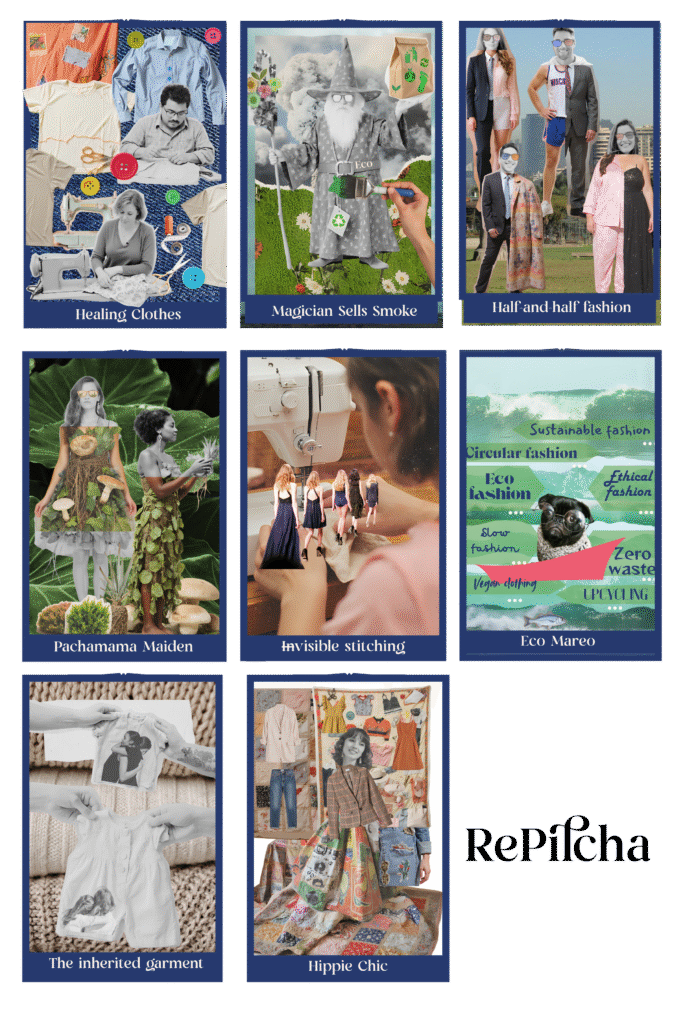
Are you ready to let chance inspire you? At RePilcha, we created the Textile Tarot: a deck of cards full of questions, reflections, and ideas to redefine your closet in a fun way.
Each card invites you to look at that beloved garment with fresh eyes. You don’t need experience or perfect answers: just a desire to surprise yourself, play, and let yourself go.
Press the button below, read the meaning of your card, and let yourself be inspired.
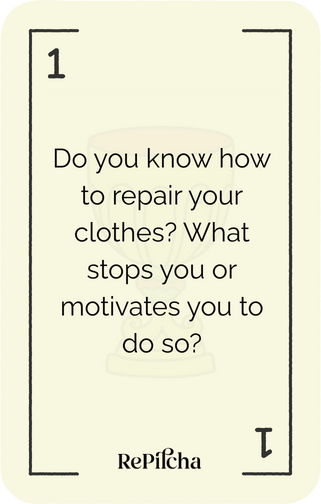
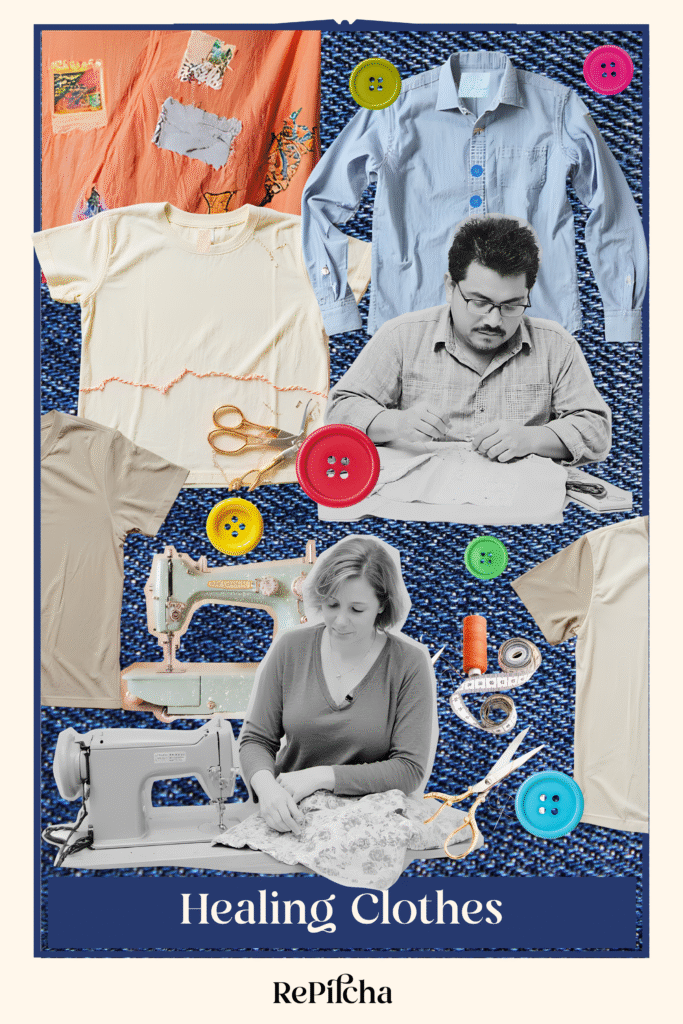
You have received a letter from the Clothes Healer.
This letter invites you to play with the idea of taking care of what you wear, and asks you the question:
Do you know how to repair your clothes when they tear or wear out?
What motivates you to do so (the affection you have for them, the idea of giving them a new lease on life, the pride of saying “I fixed it myself”) and what holds you back—rushing, not knowing where to start?
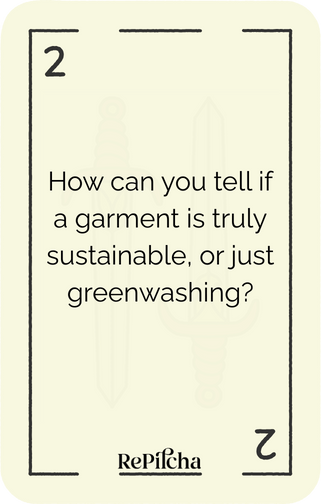
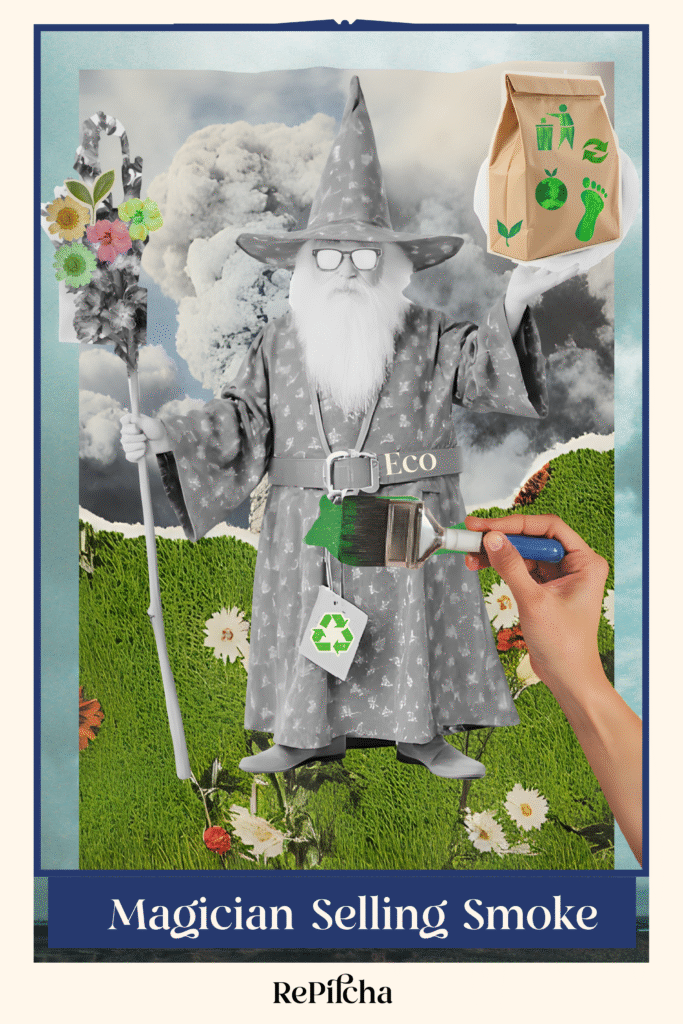
You have drawn the Smoke Seller card.
This card appears to invite you to question what shines and what hides behind labels. It asks you:
How can you tell if a garment is truly sustainable, or just greenwashing?
You have drawn the Pachamama Maiden card.
As guardian of the senses, she invites you to listen to your own body and asks you:
How does your skin feel with different materials? Can you tell the difference between natural and synthetic?

Are you ready to let chance inspire you? At RePilcha, we created the Textile Tarot: a deck of cards full of questions, reflections, and ideas to redefine your closet in a fun way.
Each card invites you to look at that beloved garment with fresh eyes. You don’t need experience or perfect answers: just a desire to surprise yourself, play, and let yourself go.
Swipe, choose your card, and let yourself be inspired.
You have drawn the Half Pint card.
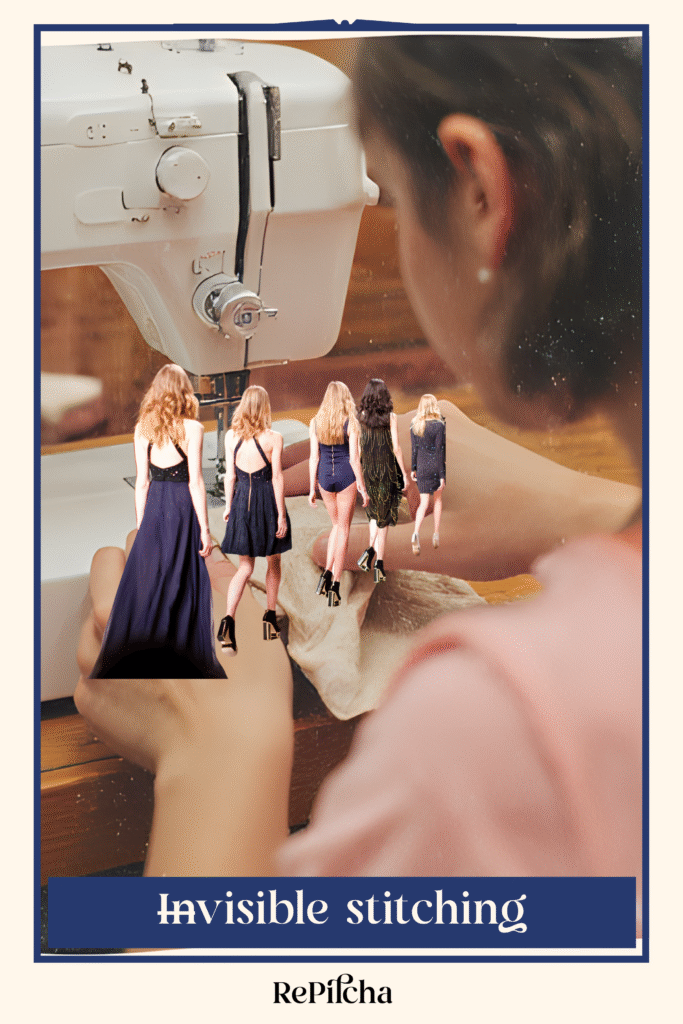
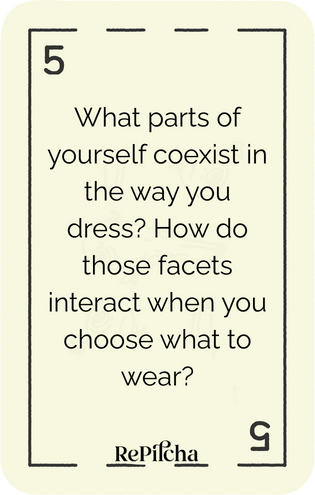
This card reminds you that our clothes often reflect different versions of ourselves: the serious and the playful, the comfortable and the elegant, the intimate and the social. It asks you:
What parts of yourself coexist in the way you dress? How do these facets interact when you choose what to wear?

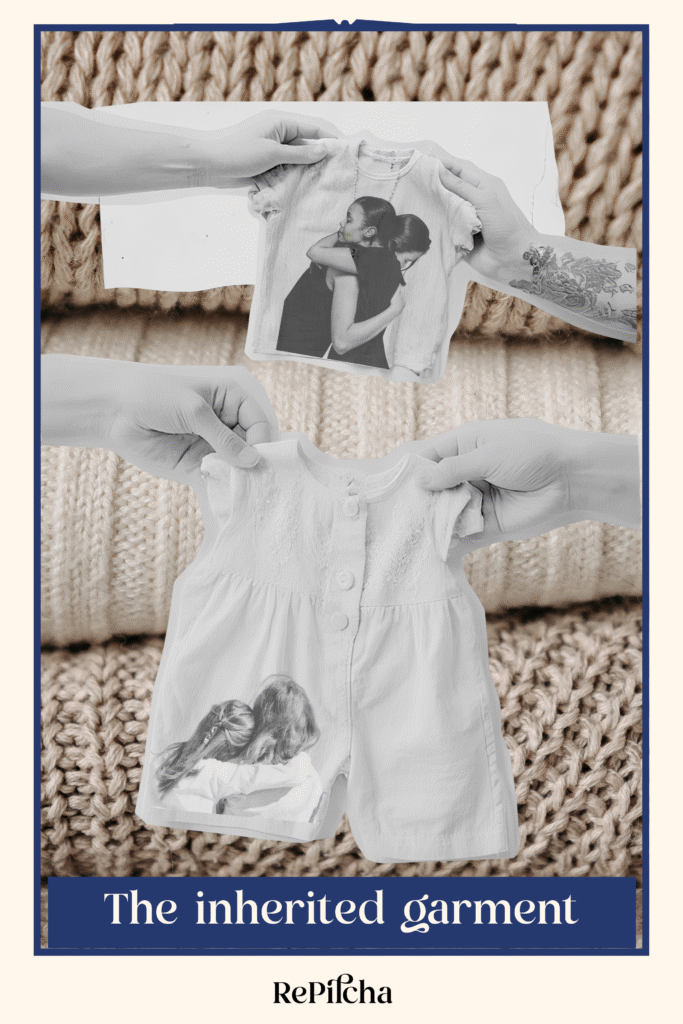
The letter from Prenda Heredada has arrived.
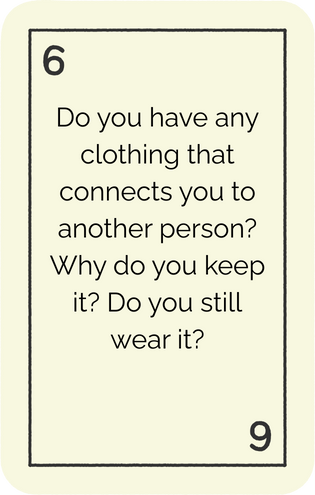
Like a hug that travels through time, this letter invites you to remember the garments that hold shared stories. It asks you:
Do you have any garments that connect you to another person? Why do you keep them? Do you still wear them?
You have drawn the Green Dizziness card.
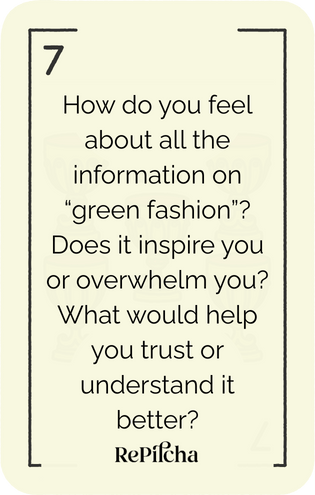
Between labels, stamps, and big promises, this card knows that “green fashion” sometimes inspires… and other times makes you dizzy. It asks you:
How do you feel about all the information on green fashion? Does it inspire you or overwhelm you? What would help you trust or understand it better?
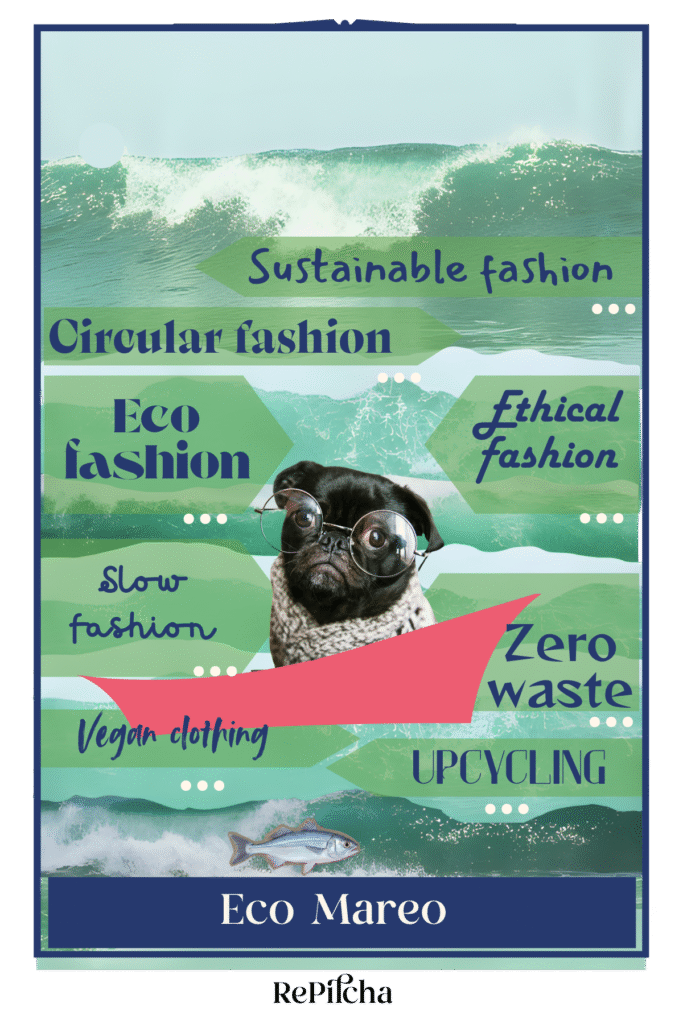
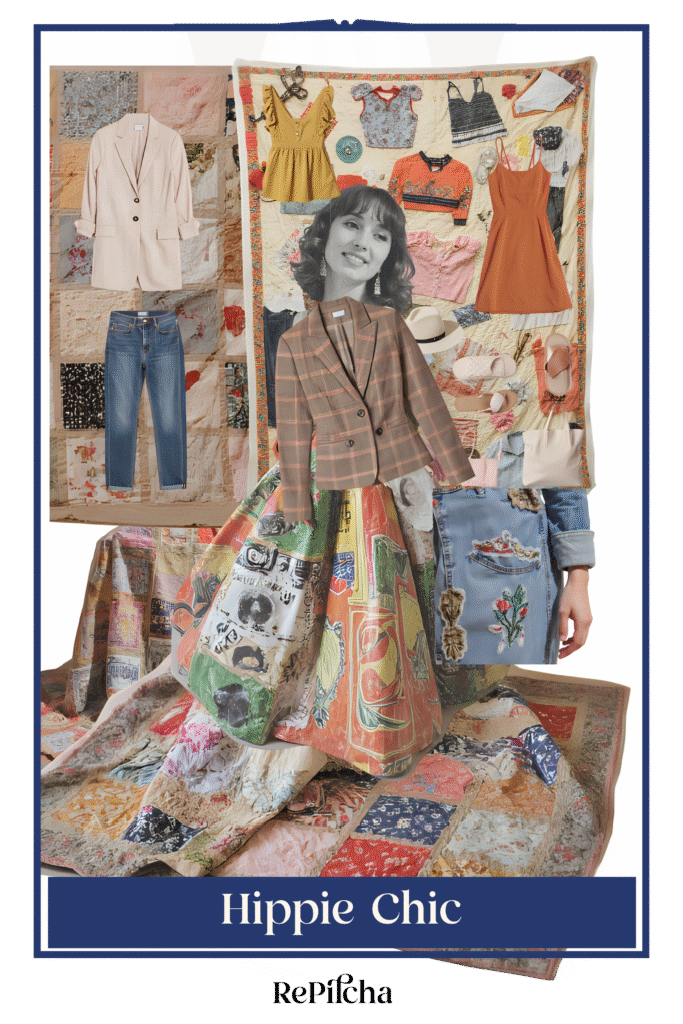
You have drawn the Hippie Chic card.
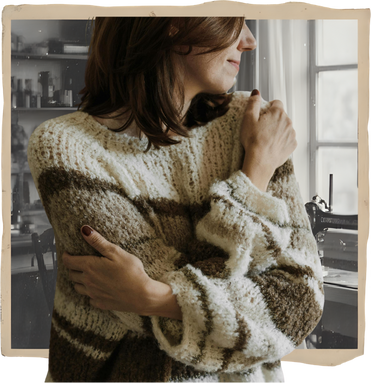
With its patches, fabrics, and intersecting colors, this card reminds you that your clothes can also be a living collage. It asks you:
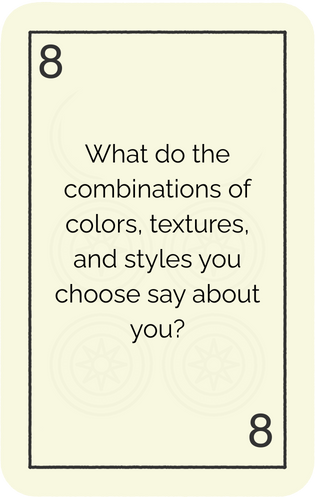
What do the combinations of colors, textures, and styles you choose say about you? What part of your personality comes out when you dare to combine the unexpected?
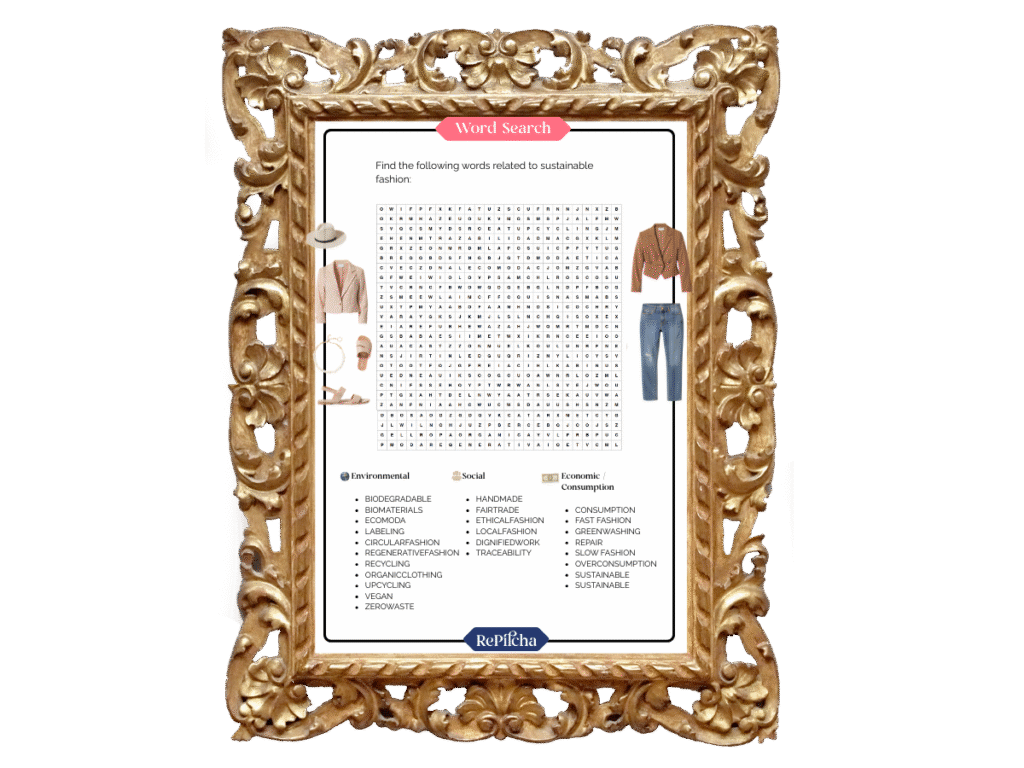
This is your creative corner: here you can download beautiful things to inspire you, relax you, or simply add some fun to your day. Whether you’re looking for a little motivation, want to color to distract yourself, or add your personal touch to your space, these resources are designed to accompany you and remind you that every little gesture is also part of the circular path.
Links for downloading

Would you like to draw a card? The Textile Tarot is our deck of ideas and challenges to help you see your clothes in a new light.

Too many green terms? Here we explain them simply, with examples and not so much blah blah blah.
Downloadable sheets, the resources are free, attractive, and designed to accompany you on your circular journey. Download, share, and use them however you like.